

Green Seal + LEED: What You Need to Know
Across multiple versions of LEED, projects can earn points by incorporating products certified to Green Seal’s science-based standards into their buildings and operations.
Across multiple versions of LEED, projects can earn points by incorporating products certified to Green Seal’s science-based standards into their buildings and operations.
The scorecard spotlights the urgent need for more responsible fiber sourcing and transparent sustainability practices in the paper sector – the same priorities Green Seal targeted in the newest version of our certification standard for sanitary paper products.
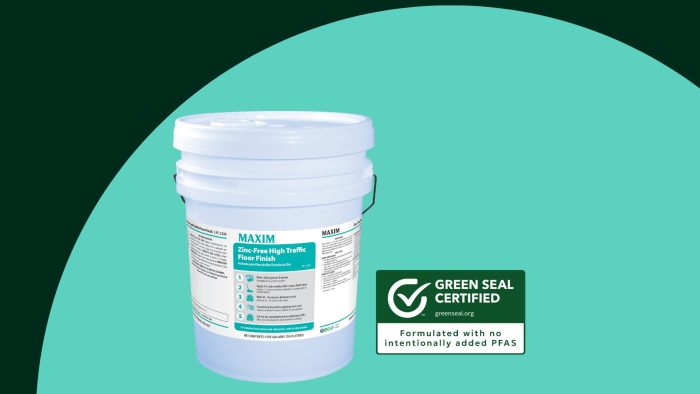
We sat down with Matt Schenk and Jamey Gaston from Midlab to learn more about how the company formulated its product without PFAS, what this certification means for customers, and how innovation in safer chemistry is shaping the future of floor care.

Bisphenol A (BPA) is a widely used chemical in plastic and resin manufacturing. Find out how BPA functions, how you might be exposed to it, and how to reduce your risk of exposure to this hazardous chemical.

With our new standard, consumers can be sure that certified sanitary paper products completely avoid virgin tree fiber and meet meaningful manufacturing and packaging sustainability requirements that protect people and the planet.

Carcinogens are cancer-causing agents that are intentionally and unintentionally added to a wide range of products. Find out what they are, how and where they’re used, and how to reduce your exposure to this hazardous group.

We are pleased to launch a partnership with environmental nonprofit 1% for the Planet. This partnership gives the brands in our community the chance to expand the impact of their Green Seal certification by qualifying them toward 1% for the Planet membership as well.

Heavy metals are widely used in industrial, agricultural, and technological applications, as well as in consumer products. Find out what they are, where and why they’re used in consumer products, and how to limit your interactions with this group of elements.

The newest version of the U.S. Green Building Council’s LEED® building standard highlights the value of Green Seal-certified products and rewards projects that incorporate certified materials into their buildings and operations.

Mercury is a naturally occurring element with a long history of industrial, scientific, and medicinal use. Explore what mercury is, how it’s commonly used, and steps consumers can take to limit exposure.

Today, on Earth Day, we celebrates the brand leaders who are committed to delivering safer, more sustainable products and share insight into how, together with our stakeholders, we envision simplifying sustainable shopping for all buyers.

Cascades’ Sustainability Advisor, Stéphanie Bureau, shares the sustainability features that tissue paper product consumers are looking for today and why they value our partnership.

Force of Nature’s Co-Founder, Melissa Lush, shares how the innovative company is addressing sustainability issues with a countertop appliance and how Green Seal certification helps them attract new customers.

Be.blum’s Chief Business Officer, Dayana Arango, shares how the refillable cleaning product company is redefining home cleaning and why they partner with Green Seal.

PortionPac Chemical Corporation’s Chief Strategy Officer, Caryn Gilliam, shares how sustainability is woven into the fabric of the company and why they value our partnership.